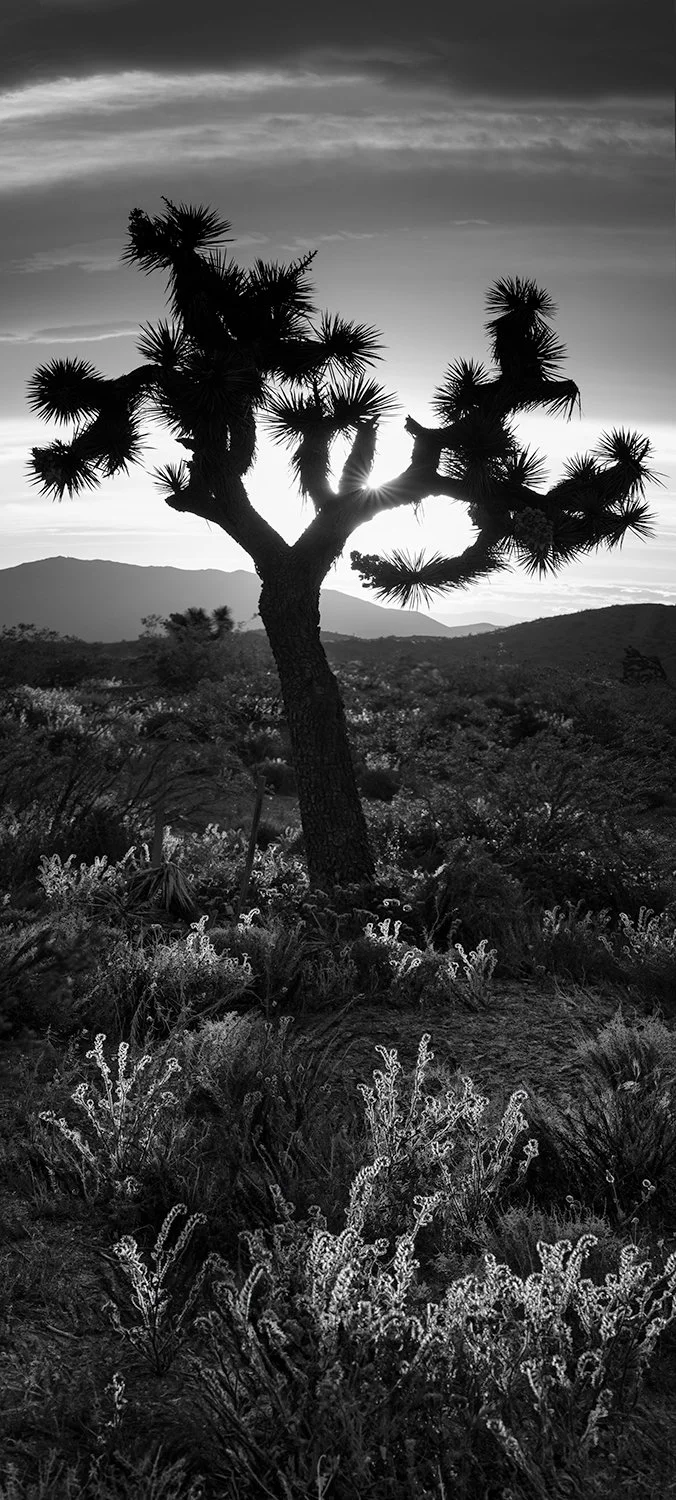
Why Black and White Photography Still Matters in a Colour World
In a world saturated with colour, black and white photography continues to hold its ground — not as a limitation, but as a deliberate and powerful choice.
Removing colour strips an image back to its core. What remains is structure, light, contrast, and form. Without the distraction of colour, the viewer is drawn directly into the composition itself. Every line becomes more defined. Every shadow carries more weight.
Black and white photography does not simplify an image — it refines it.
In contemporary fine art photography, this approach is often used to create a sense of timelessness. Colour can anchor an image to a specific era, but monochrome removes that reference point. The result is work that feels less temporary and more enduring. It exists outside of trends.
This is particularly evident in architectural photography. Buildings, surfaces, and urban forms become studies of geometry and repetition. Light interacts with structure in a way that feels intentional and controlled. The absence of colour allows the image to focus on design rather than decoration.
Melbourne, with its layered architecture and shifting light, provides an ideal environment for this style. Harsh midday shadows, reflective glass, aged concrete, and open space all translate naturally into black and white compositions. What might feel ordinary in colour becomes refined and deliberate in monochrome.
There is also an emotional quality unique to black and white imagery. It introduces a level of distance, allowing the viewer to engage with the image in a quieter, more introspective way. The absence of colour removes urgency and replaces it with stillness.
For collectors, black and white photography offers versatility. It integrates seamlessly into modern interiors, complementing a wide range of materials and design styles. Whether displayed in a residential or commercial space, monochrome work provides balance without competing for attention.
At NIKART, black and white photography is not treated as a stylistic filter, but as a foundational approach. Each image is composed with the final result in mind — focusing on contrast, tonal range, and clarity of form. The intention is to create work that feels both refined and enduring.
Black and white photography continues to matter because it offers something increasingly rare — focus. In removing colour, it allows the image to speak with precision and purpose.