More Than Decoration: Why Fine Art Photography Belongs in the Home
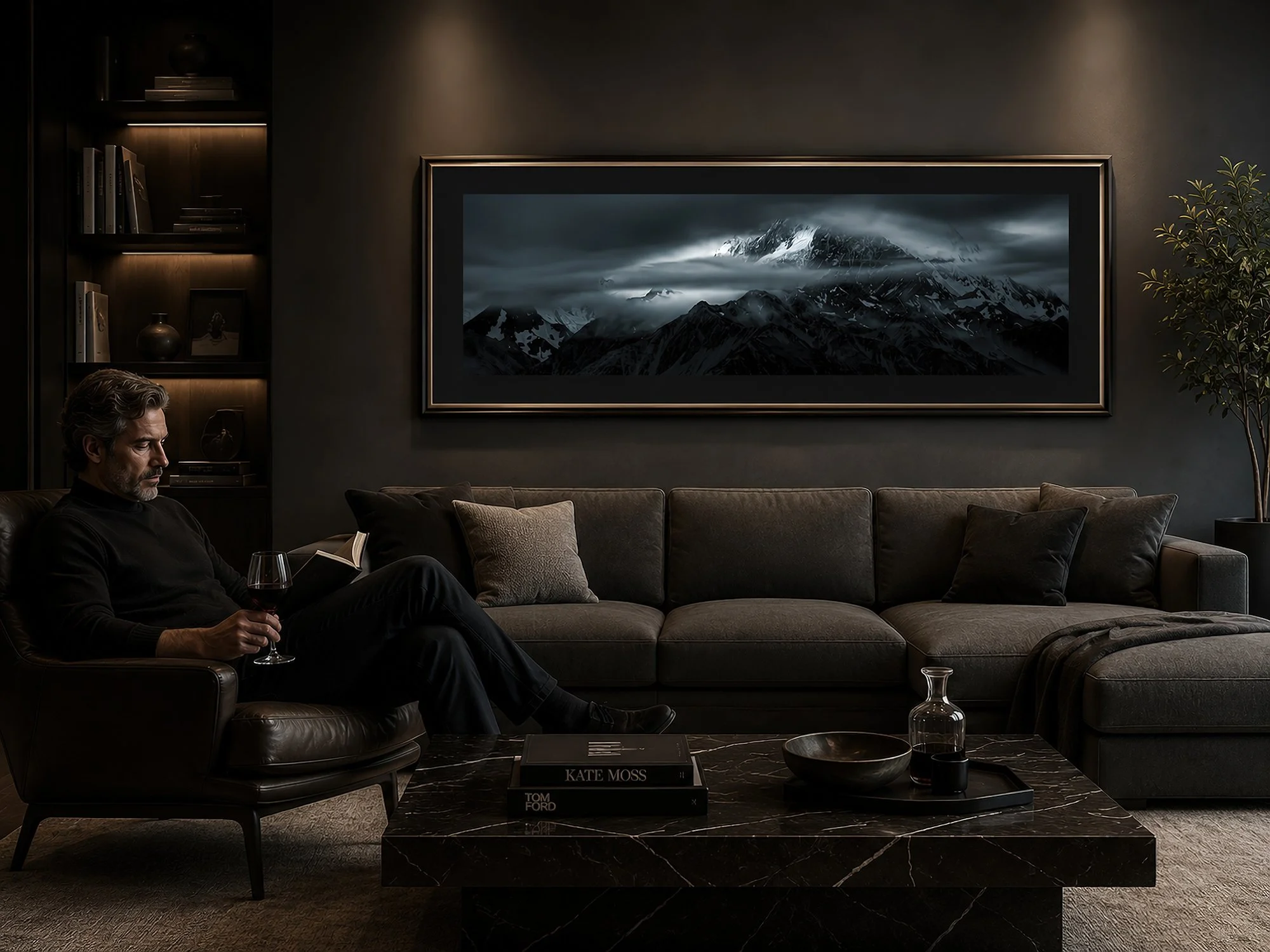
A thoughtfully chosen photograph does more than occupy an empty wall. It can change the atmosphere of a room, preserve a connection to a meaningful place and become part of the way a home is remembered.
We often think about artwork in terms of colour, size and interior design. These considerations are important, but they are only the beginning. The finest photographic art carries something deeper: an idea, a mood or a moment that continues to reveal itself over time.
Choosing art for a home should therefore be about more than finding something that matches the furniture. It should be about discovering an image that feels personal—something you genuinely want to live with.
When Does a Photograph Become Art?
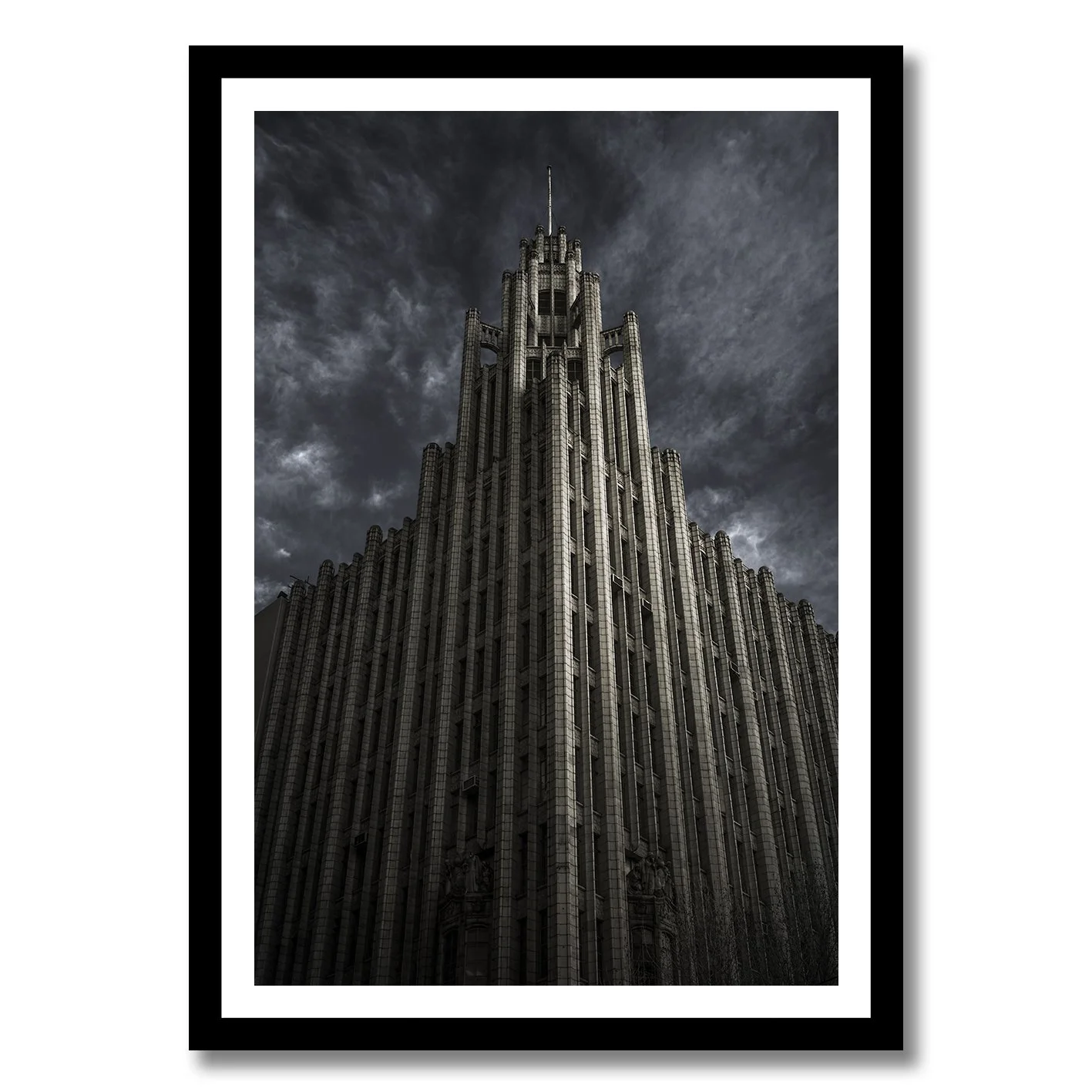
Photography is part observation and part interpretation.
The photographer chooses where to stand, what to include, what to leave outside the frame and precisely when to release the shutter. Light, perspective, composition, timing and atmosphere are deliberately brought together to express a particular way of seeing.
This is what separates photographic art from an ordinary record of a place.
Two photographers can stand in front of the same landscape or building and produce completely different images. One may concentrate on scale and detail, while another may be drawn to stillness, geometry, weather or the way light briefly transforms the scene.
A fine art photograph is not simply evidence that a place existed. It is the artist’s interpretation of that place.
When the image is printed, its physical qualities become equally important. Tonal depth, colour, surface, scale and presentation all contribute to the final experience. The finished artwork is the result of many connected decisions, from the original composition through to the material on which it is presented.
Art Creates an Emotional Connection to Place
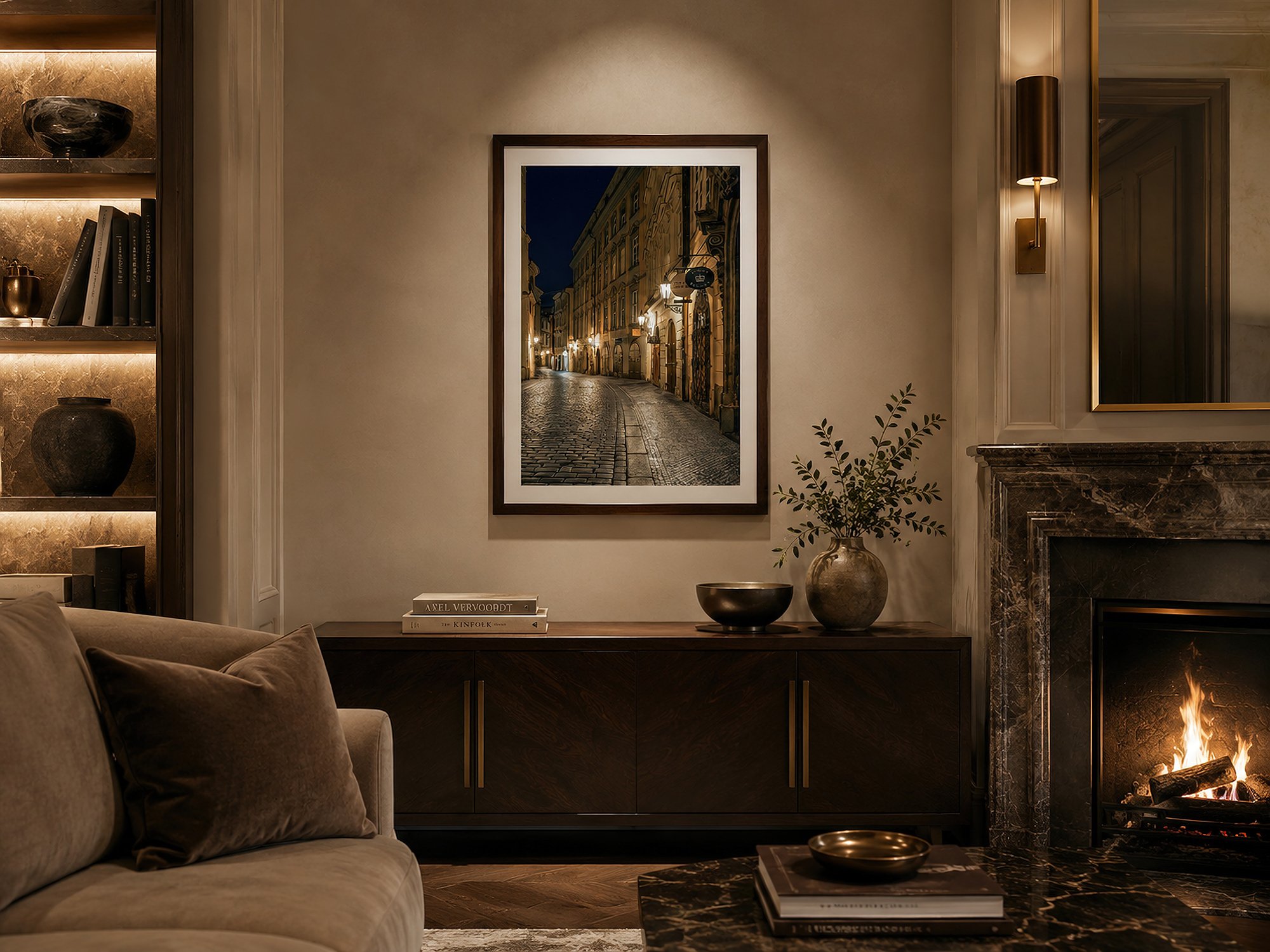
Some photographs immediately connect us with places we know. Others awaken a fascination with destinations we may never have visited.
An image of Melbourne can hold memories of familiar streets, changing weather, historic architecture or the distinctive light surrounding Port Phillip Bay. A remote landscape may represent freedom, silence or the desire to travel. A photograph of Iceland might recall a personal journey—or simply create a feeling of wonder about a distant landscape shaped by wind, ice and volcanic forces.
These responses are highly individual.
One person may be drawn to the energy and geometry of a city, while another feels more connected to open landscapes and quiet horizons. Some prefer colour and warmth; others find that black-and-white photography creates a stronger emotional response by removing distraction and revealing shape, tone and structure.
This personal connection is what allows an artwork to remain meaningful long after a room has been redecorated. Furniture, paint colours and interior trends will change. A photograph chosen for the way it makes you feel can continue to hold its place.
Artwork Should Not Simply Match the Sofa
It is natural to consider the colours and character of a room when selecting art. However, choosing an artwork solely because it matches a cushion, rug or sofa can reduce it to another decorative accessory.
The strongest interiors often contain pieces that introduce their own identity.
A dramatic black-and-white architectural photograph can bring structure to a restrained contemporary room. A panoramic landscape can create openness in a compact space. Rich earthy colours can add warmth to a neutral interior, while a quiet minimalist composition can bring visual calm to a room containing stronger textures and furnishings.
The artwork does not need to reproduce every colour already present. It can complement the interior through mood, contrast, balance or repetition of form.
A room feels more personal when the objects within it have been selected because they mean something—not merely because they conform to a temporary design trend.
Scale Can Transform a Room
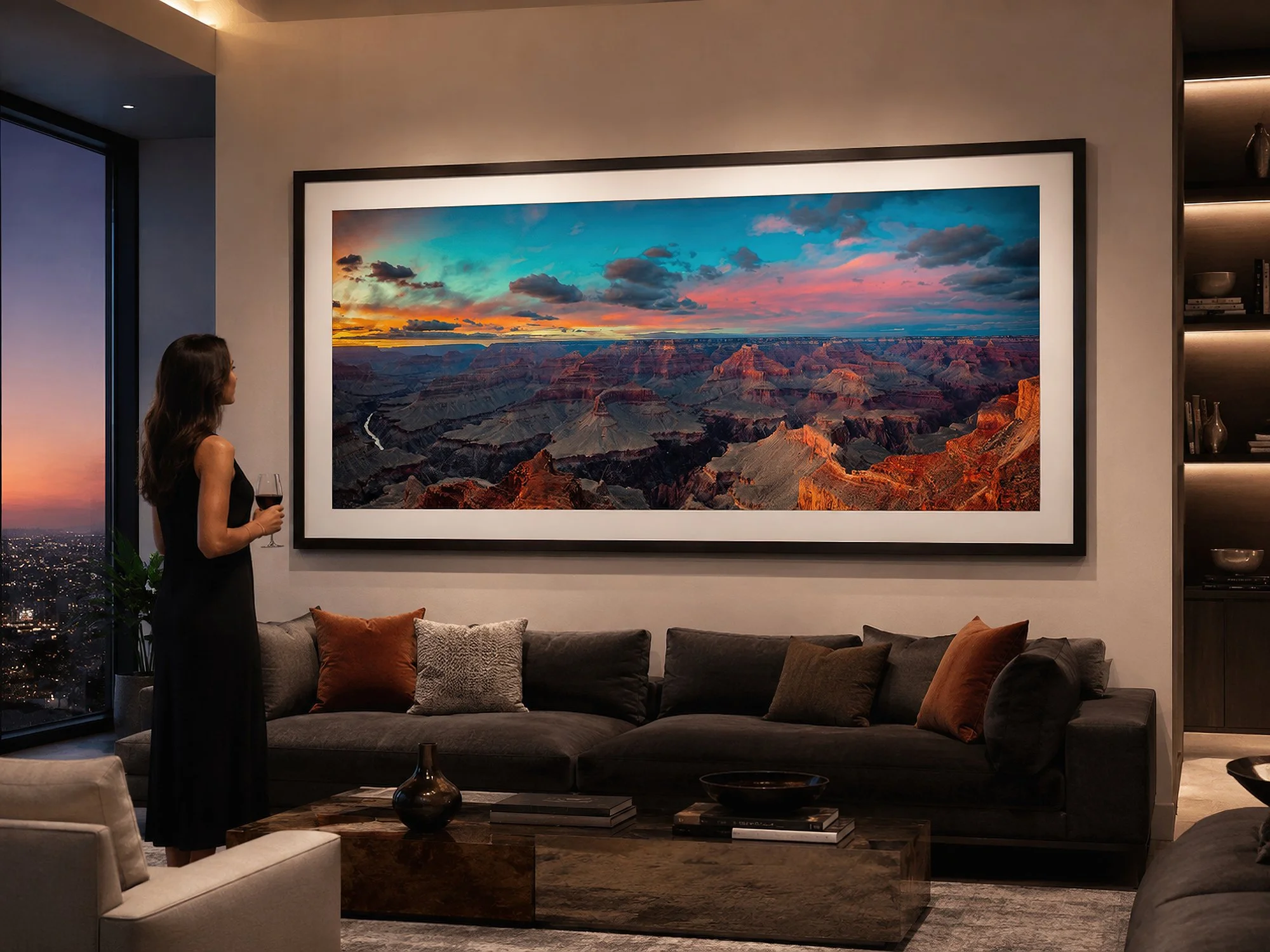
One of the most common difficulties when selecting artwork is judging scale.
A photograph that appears substantial on a computer screen can feel surprisingly small once it is placed above a sofa, bed, sideboard or dining table. Large walls usually require either one confident statement piece or a carefully planned arrangement of smaller works.
A large photographic artwork can become the visual anchor of a room. It establishes a focal point and gives the surrounding furniture a clearer sense of balance. From across the room, the composition and atmosphere are immediately visible. As you move closer, finer details emerge.
This changing experience is particularly effective with photography. An expansive landscape can create a sense of distance and space, while a large architectural image can reveal patterns, surfaces and details that may be missed at a smaller size.
Larger does not automatically mean better, but the proportions of the artwork should respond to the wall and the furniture beneath it. Before ordering, it can be helpful to mark the proposed dimensions on the wall using removable painter’s tape. This creates a much more accurate impression of the finished scale than viewing measurements on a screen.
Why Print Quality Matters
A photographic artwork is ultimately a physical object. Its quality cannot be judged only by the image displayed on a phone or monitor.
The printing process influences the richness of colour, depth of black, separation of subtle tones and clarity of fine detail. The choice of paper or presentation material also changes the character of the work. A carefully produced print may reveal delicate gradations in skies, shadows and textured surfaces that are difficult to appreciate online.
Print quality is especially important in large-format photography. Small inconsistencies become more visible as an image increases in size, making careful file preparation, colour management and production essential.
At NIKART Studio and Gallery, the printing process is completed in-house. This allows me to maintain direct control over how the image is translated from the original photographic file into the finished artwork. Rather than treating printing as a separate manufacturing step, I consider it part of the creative process.
The aim is not simply to make the image larger. It is to preserve its atmosphere, detail and tonal character in physical form.
Choosing the Right Presentation
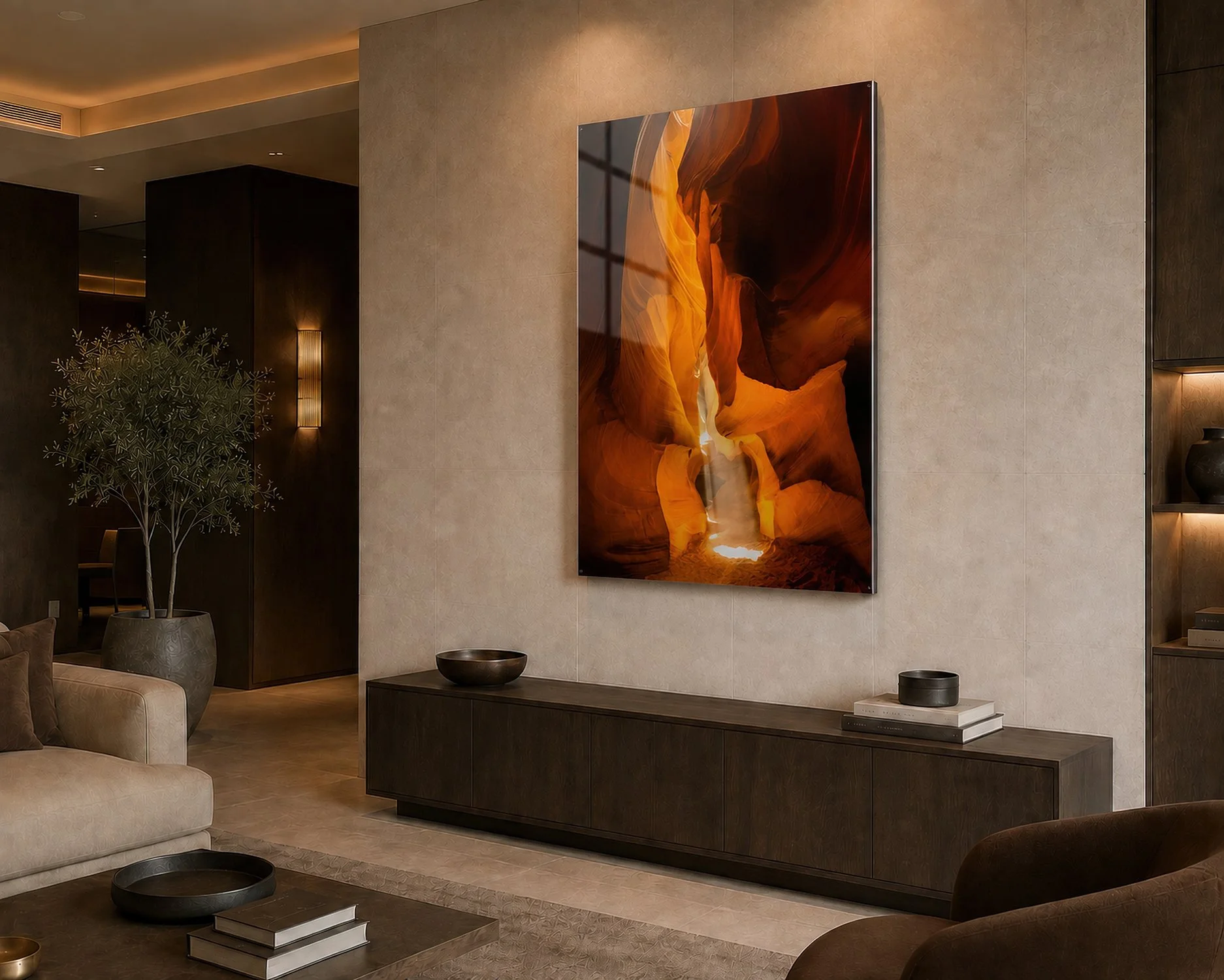
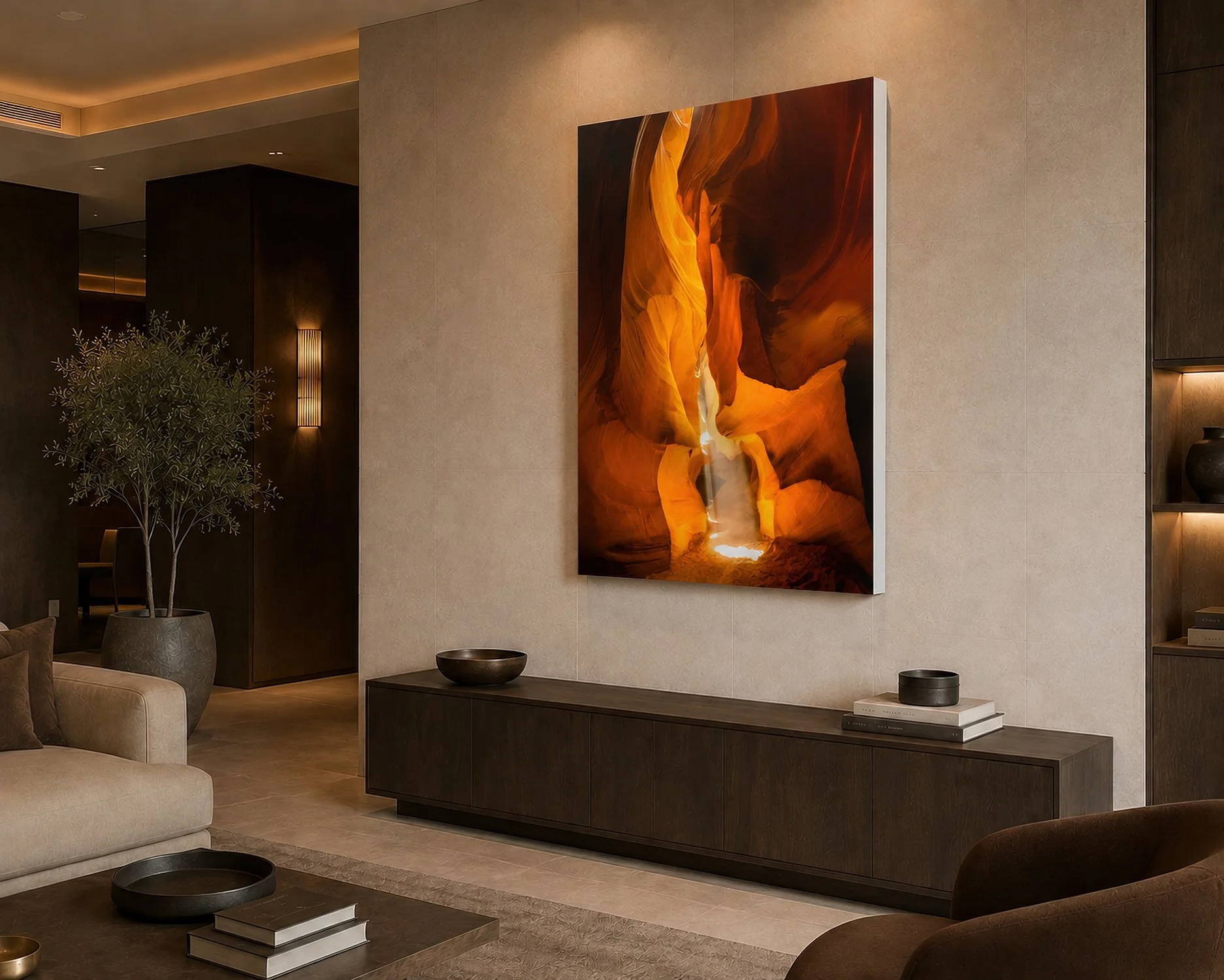
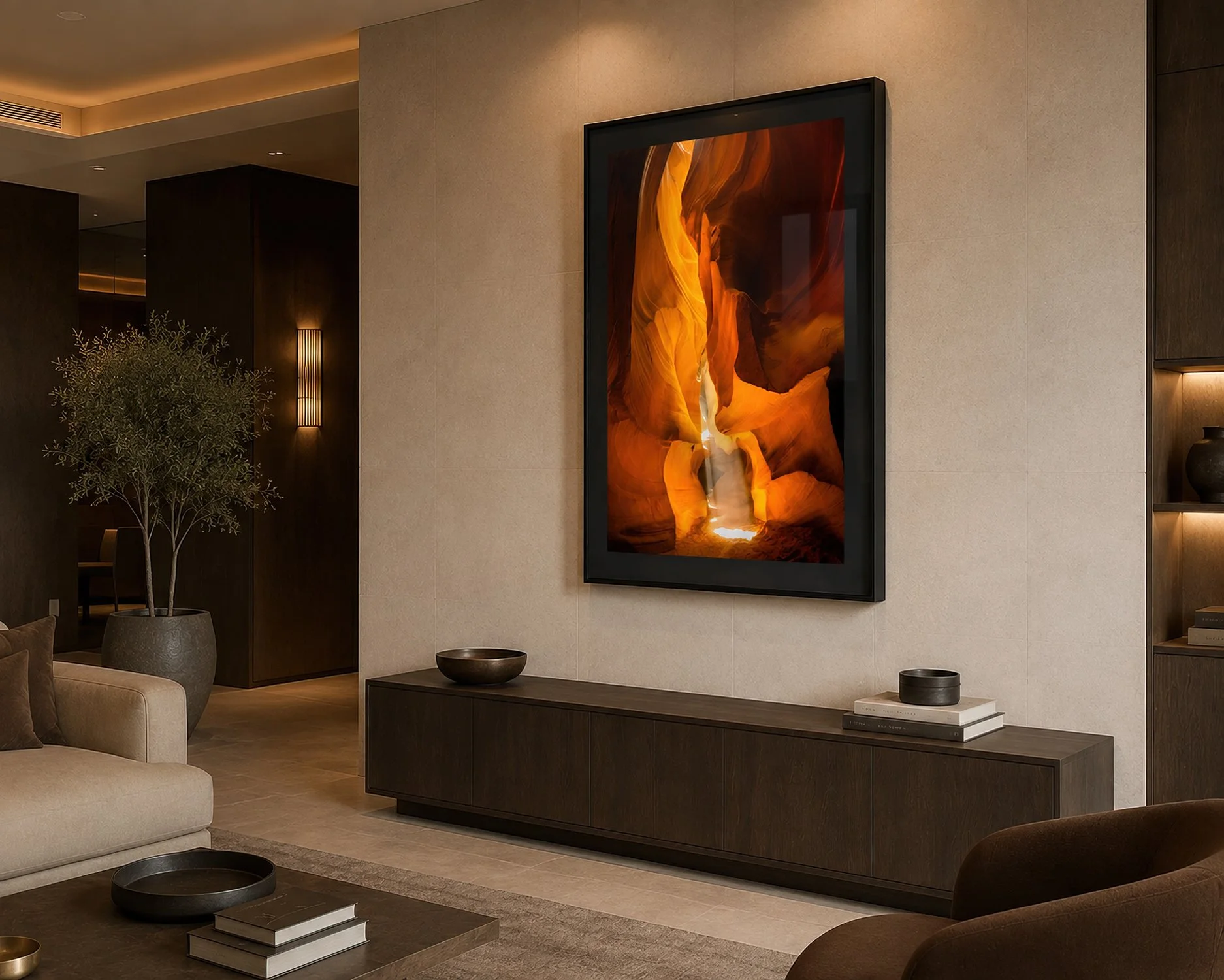
The way a photograph is presented should suit both the character of the image and the room in which it will be displayed.
A framed photographic print offers a classic, refined appearance. The frame creates a visual boundary around the image and can help connect the artwork with surrounding furniture and architectural details.
An acrylic face mount panel provides a sleek, contemporary finish with strong clarity and depth. It is particularly effective in modern homes, offices and commercial interiors where a clean presentation is preferred.
Canvas creates a softer, more textural presence and can work beautifully with landscapes, organic forms and relaxed interiors. Because it does not require glazing, it also has a different physical character from a traditional framed print.
A rolled print provides flexibility for collectors who wish to arrange their own framing, particularly when the artwork is being shipped interstate or overseas.
There is no single presentation method that is right for every image. The decision should consider the artwork, the interior, the required size and the overall effect you want to create.
The Meaning of a Limited Edition
A limited-edition photograph is produced in a predetermined number rather than being reproduced without restriction.
The edition gives the artwork a clearly defined place within the photographer’s body of work. It also allows the collector to know that only a limited number of prints will be made available in that edition.
This is fundamentally different from mass-produced decorative imagery, which may be printed in unlimited quantities and sold through numerous retailers without a meaningful connection to the photographer.
Limited editions also reflect the intention behind the work. The image has been selected, prepared and presented as part of a considered artistic practice. Its value lies not only in its scarcity but in the creative decisions, production standards and authorship represented by the finished piece.
Every NIKART artwork is offered as a limited edition and is personally produced with attention to the details that determine how the final photograph will be experienced.
Buying Directly From a Photographer and Gallery
Buying directly from a working photographer creates a closer connection with the artwork and its origin.
You can learn where and why the image was created, discuss size and presentation options, and understand how the finished piece will be produced. You are not purchasing an anonymous reproduction selected from a catalogue. You are acquiring a work that belongs to an identifiable photographer’s continuing artistic practice.
A physical gallery also provides the opportunity to experience photographic work at its intended scale. Monitors can make every image appear similarly sized, but standing before a finished print reveals its real presence, surface and detail.
At NIKART Studio and Gallery in Williamstown North, visitors can view a selection of limited-edition photographic artworks and see the differences between presentation styles. Because gallery opening hours may vary, visitors are encouraged to check the current Google listing or call ahead before visiting.
Choosing Art You Will Continue to Love
The best artwork is not necessarily the piece that fits most neatly into the current room. It is the one that continues to create a response.
Before making a decision, spend time with the image. Look beyond its subject and consider its atmosphere. Does it create stillness, energy, curiosity or a sense of escape? Does it remind you of somewhere important? Do you discover new details each time you return to it?
Consider where the artwork will be seen and how you want that space to feel. A bedroom may benefit from something quiet and contemplative, while a living area can accommodate a stronger statement. An office might suit an image that suggests scale, ambition or clarity.
Most importantly, choose the photograph for yourself.
A meaningful artwork becomes part of the background to everyday life. It is present during conversations, celebrations, quiet mornings and changing seasons. Over time, it can become inseparable from the memory of the home itself.
That is when fine art photography becomes more than decoration.
It becomes something you live with.