Autumn Photography: Capturing the Warmth, Texture, and Timeless Beauty of the Season
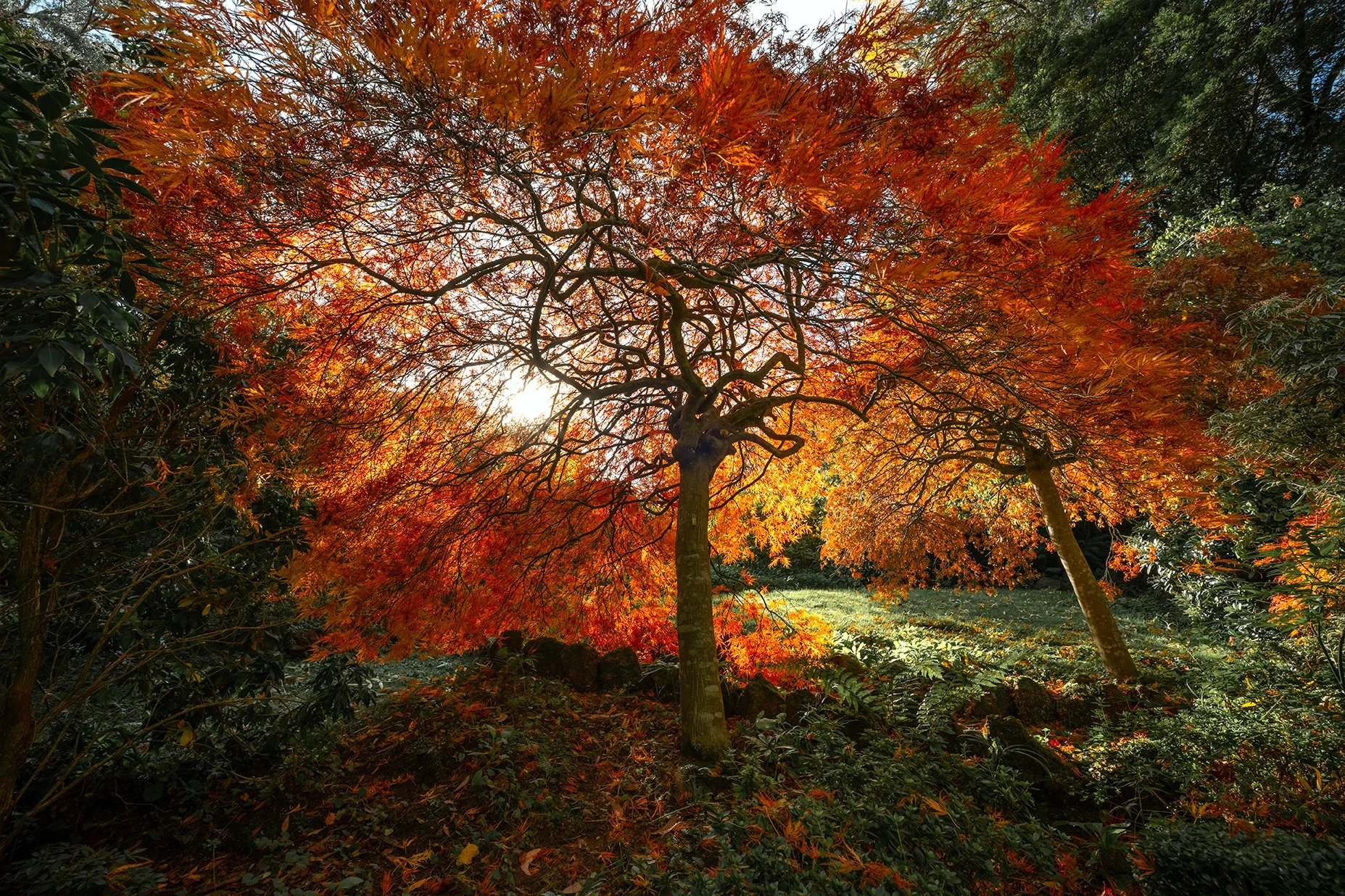
Autumn is a season defined by transformation. As the intensity of summer fades, the landscape shifts into a rich palette of warm tones—deep reds, burnt oranges, golden yellows, and earthy browns. It is a time where light softens, shadows stretch longer, and nature reveals a quieter, more reflective character. For photographers, autumn presents one of the most visually compelling opportunities of the year.
Across parks, forests, and urban streets, autumn creates a natural canvas that feels both nostalgic and dramatic. The falling leaves, textured ground, and filtered sunlight combine to produce scenes that are not only visually striking but emotionally resonant. This is why autumn photography prints continue to be among the most sought-after pieces for home and office décor.
Why Autumn is Perfect for Fine Art Photography
There is a reason why collectors are drawn to autumn imagery. The season naturally lends itself to fine art photography due to its balance of colour, contrast, and mood.
The lower angle of the sun creates softer light, reducing harsh highlights while enhancing texture and depth. This makes it ideal for capturing detail in foliage, tree bark, and layered landscapes. The colour palette is also inherently harmonious, allowing photographers to produce images that feel cohesive and painterly.
From a compositional perspective, autumn offers natural framing elements—overhanging branches, pathways covered in leaves, and layered backgrounds that create depth. These elements translate beautifully into limited edition fine art prints, especially when printed on high-quality materials such as archival paper, canvas, or acrylic.
The Emotional Appeal of Autumn Wall Art
Autumn imagery carries a strong emotional connection. It evokes feelings of calm, nostalgia, and reflection. Unlike the vibrant energy of summer or the stark minimalism of winter, autumn sits in a unique space—rich, warm, and contemplative.
This emotional depth is exactly what makes autumn wall art so powerful in interior spaces. Whether displayed in a home, office, or gallery, these works introduce warmth and character. They soften modern interiors and complement natural materials like timber, stone, and neutral tones.
For collectors and interior designers, autumn landscape photography offers versatility. It works equally well as a statement piece or as part of a curated collection. The seasonal tones integrate seamlessly into a wide range of design styles—from contemporary minimalism to classic interiors.
Autumn Colours and Light: A Photographer’s Advantage
The defining feature of autumn is colour. The shift in chlorophyll reveals underlying pigments, resulting in the iconic reds, oranges, and yellows. When combined with directional sunlight, these colours become luminous.
Photographers often take advantage of golden hour in autumn, when the light is warm and low, enhancing colour saturation and creating long, soft shadows. Backlighting through leaves, in particular, produces a glowing effect that adds depth and atmosphere to the image.
This interplay between light and colour is what elevates autumn scenes into gallery-quality photography prints. The richness of tone translates exceptionally well in print, especially when handled with careful colour grading and high-end printing techniques.
Urban Autumn Photography: Finding Beauty in the City
Autumn is not limited to forests and rural landscapes. In cities like Melbourne, the season transforms streets, parks, and architecture into striking compositions.
Tree-lined avenues, fallen leaves against concrete, and the contrast between organic forms and urban structures create unique opportunities. This blend of nature and architecture is particularly effective for photographers looking to produce contemporary fine art photography.
Urban autumn scenes also appeal to a broader audience. They connect with people who live in cities, offering familiar environments presented in a new and artistic way. These works often become standout pieces in modern wall art collections.
Printing Autumn Photography: From Capture to Collector Piece
Capturing the image is only part of the process. The final presentation is what transforms a photograph into a collectible artwork.
At NIKART, each autumn image is carefully prepared for print, ensuring that the depth of colour and tonal range is preserved. Whether presented as:
Framed fine art prints
Acrylic face-mounted panels
Canvas prints
Rolled archival prints
…the goal is to maintain the integrity of the image while enhancing its visual impact in a physical space.
Autumn tones, in particular, benefit from high-quality printing. The subtle transitions between warm hues require precision to avoid flattening or oversaturation. This is where professional printing makes a significant difference.
Why Autumn Photography Sells
From a commercial perspective, autumn photography consistently performs well. There are several reasons for this:
Strong seasonal emotional connection
Warm tones that suit interior spaces
High visual impact without overwhelming colour
Versatility across different décor styles
Collectors are often drawn to artwork that feels timeless. Autumn imagery achieves this by balancing colour and mood in a way that remains relevant year after year.
For photographers and galleries, investing in autumn fine art photography prints is not just an artistic choice—it is a strategic one.
Final Thoughts: The Timeless Nature of Autumn
Autumn is fleeting, yet its visual impact is enduring. It is a season that invites observation, patience, and appreciation of subtle beauty. For photographers, it offers a unique opportunity to create work that is both visually striking and emotionally meaningful.
As part of a fine art collection, autumn photography stands as a reminder of change, warmth, and quiet transformation. It is this balance that continues to make it one of the most compelling subjects in contemporary photography.